

At a glance
What we do
Water removal, drying, cleanup, sanitizing and insurance documentation
Where
All of Cape Coral (33904, 33909, 33914, 33990, 33991, 33993), plus North Fort Myers, Fort Myers and Pine Island
Phone
(239) 356-5803, answered 24/7
Typical drying time
About 3 to 5 days for most rooms
Estimates
Written, before any work beyond emergency water removal
For your insurer
Photos and daily moisture readings from day one
Water in Your Home Right Now? Do These 4 Things First
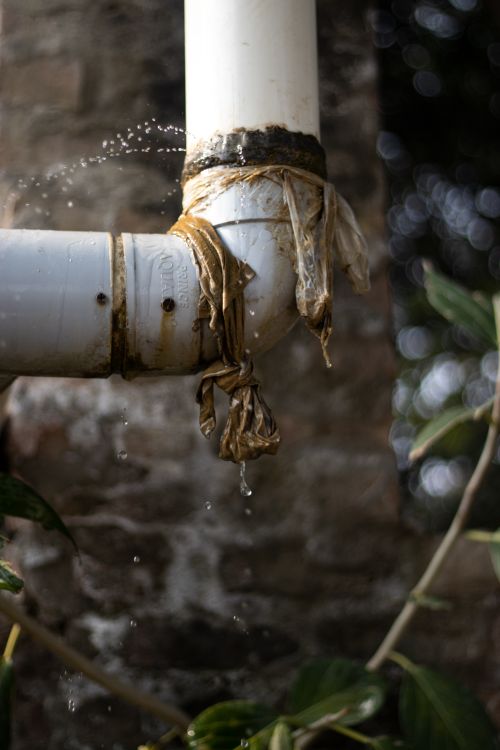
The first ten minutes decide how much has to be torn out later. Do these in order:
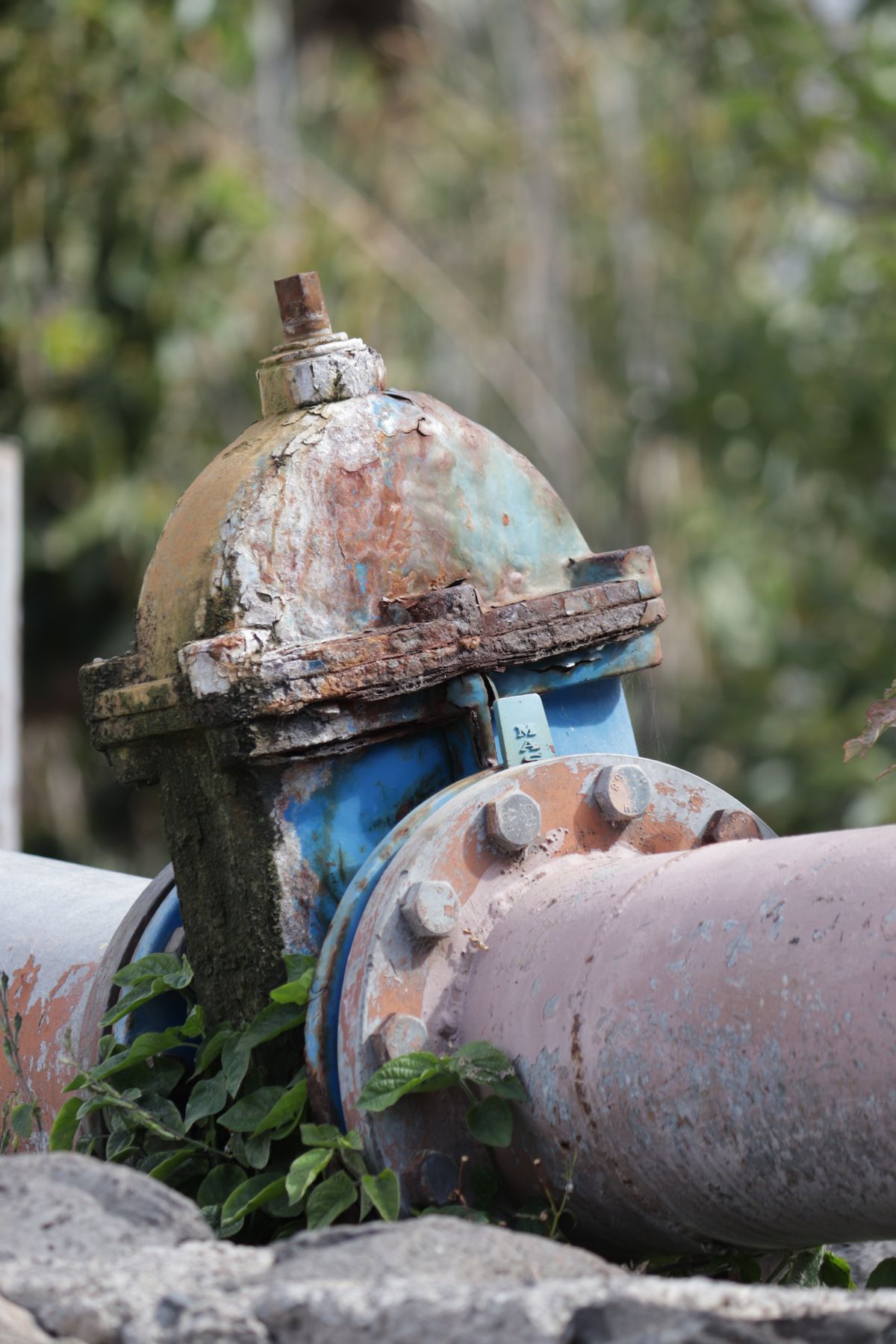
- Stop the water. Close the valve on the leaking fixture, or turn off the main shut-off. In many Cape Coral homes the main valve is near the water meter box by the street or where the water line enters the garage.
- Make it safe. If water is near outlets, cords or the electrical panel, switch off the breakers for those rooms only if you can reach the panel while standing on dry ground. If the water is sewage or came in from a canal or storm surge, keep children and pets out.
- Take photos and video of the source, the standing water and damaged belongings before you move anything. Your insurance company will ask for them.
- Call. Water runs under baseboards and tile within hours. Starting the drying the same day limits how much drywall, flooring and cabinetry has to come out.
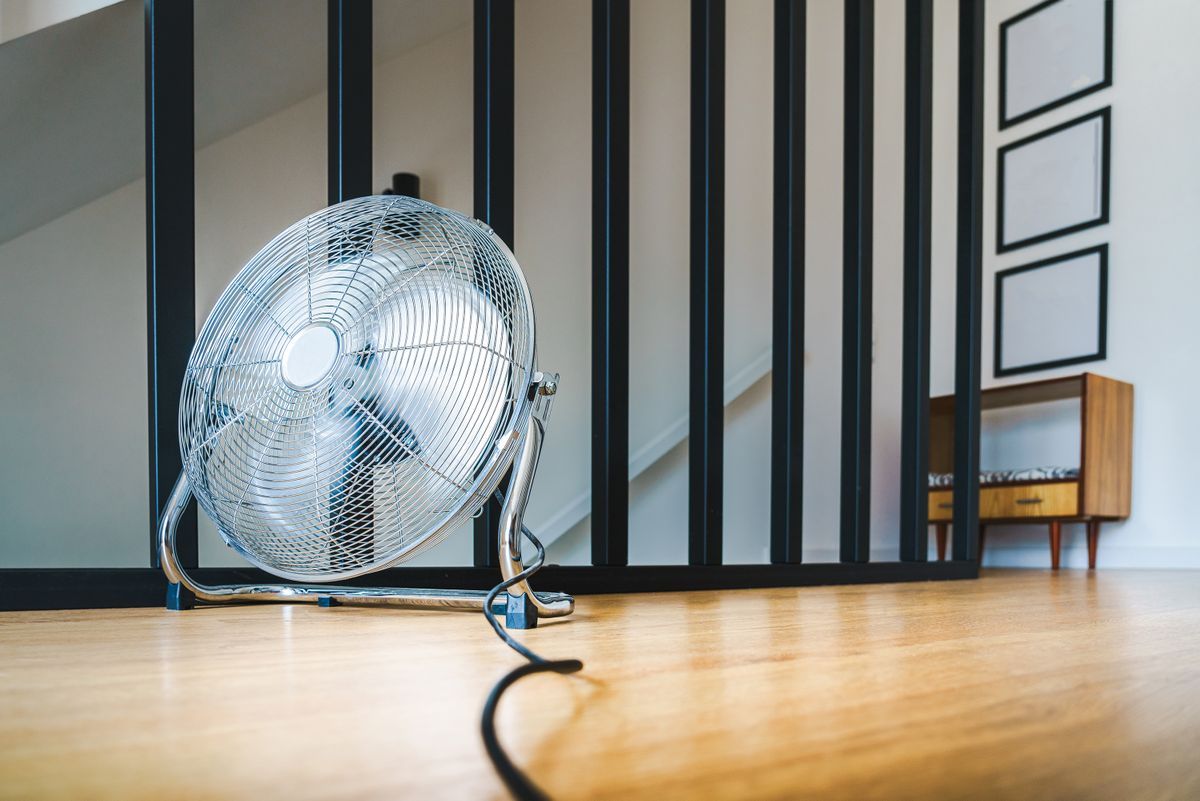
Fans help only with clean water. If you see mold or the water is sewage, leave fans off so you do not spread contamination.
Not Sure It's Water Damage? Signs Cape Coral Homeowners Notice First
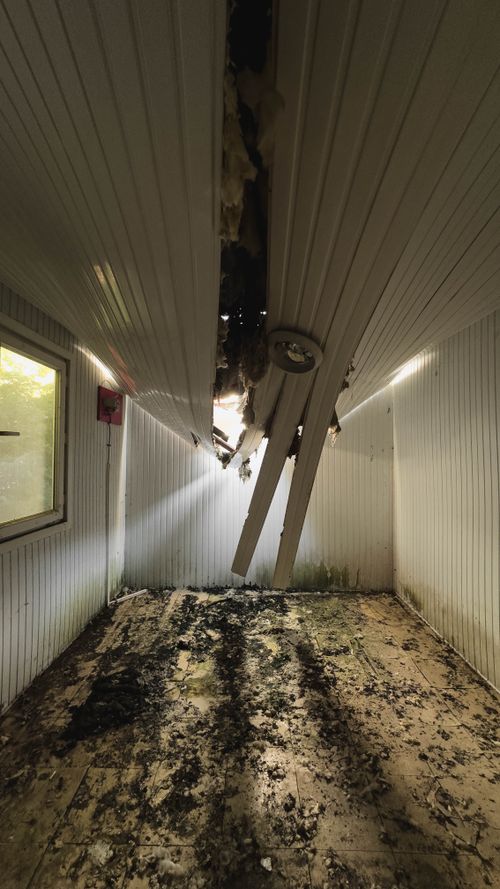
Hidden water rarely announces itself. These are the early signs to watch for in a Cape Coral home:
- A warm spot or damp grout lines on a tile floor
- Tiles that sound hollow when tapped or start lifting at the edges
- Baseboards swelling, or paint bubbling just above the floor
- A brown ring or a sag in the ceiling, often under the AC closet or a bathroom
- Water around the air handler, or a wet floor in the AC closet
- A musty smell when you come back to a house that was closed up
- A water bill that jumps when nothing about your water use changed
- A sewer smell in a bathroom that has no clog
If you notice any of these, call (239) 356-5803. We find hidden water with moisture meters and thermal imaging before anything gets opened up.
Water Damage Services in Cape Coral
- Water removal: pumping and extracting standing water from tile, carpet, closets and garages.
- Structural drying: dehumidifiers, air movers and daily moisture readings until walls, floors and cabinets are dry.
- Burst pipe cleanup: water damage from failed supply lines, fittings and pipes inside walls or under sinks.
- Flood and storm cleanup: hurricane, storm surge and heavy-rain flooding, including flood cuts and sanitizing.
- Sewage cleanup: safe removal and disinfection after toilet, drain and main line backups.
- Roof leak water damage: drying wet attic insulation, ceilings and walls while your roofer fixes the roof.
- Ceiling water damage: stains, sagging and drips from AC units, roofs, plumbing or the condo upstairs.
- Mold after water damage: fast drying to stop mold before it starts, and help finding the right mold professional if it already has.
- Insurance claim help: photos, moisture logs and a clear scope of work for your adjuster.
- Commercial water damage: offices, shops, restaurants, condo associations and HOA buildings, with work scheduled around your hours.
Why Water Damage in Cape Coral Is Different
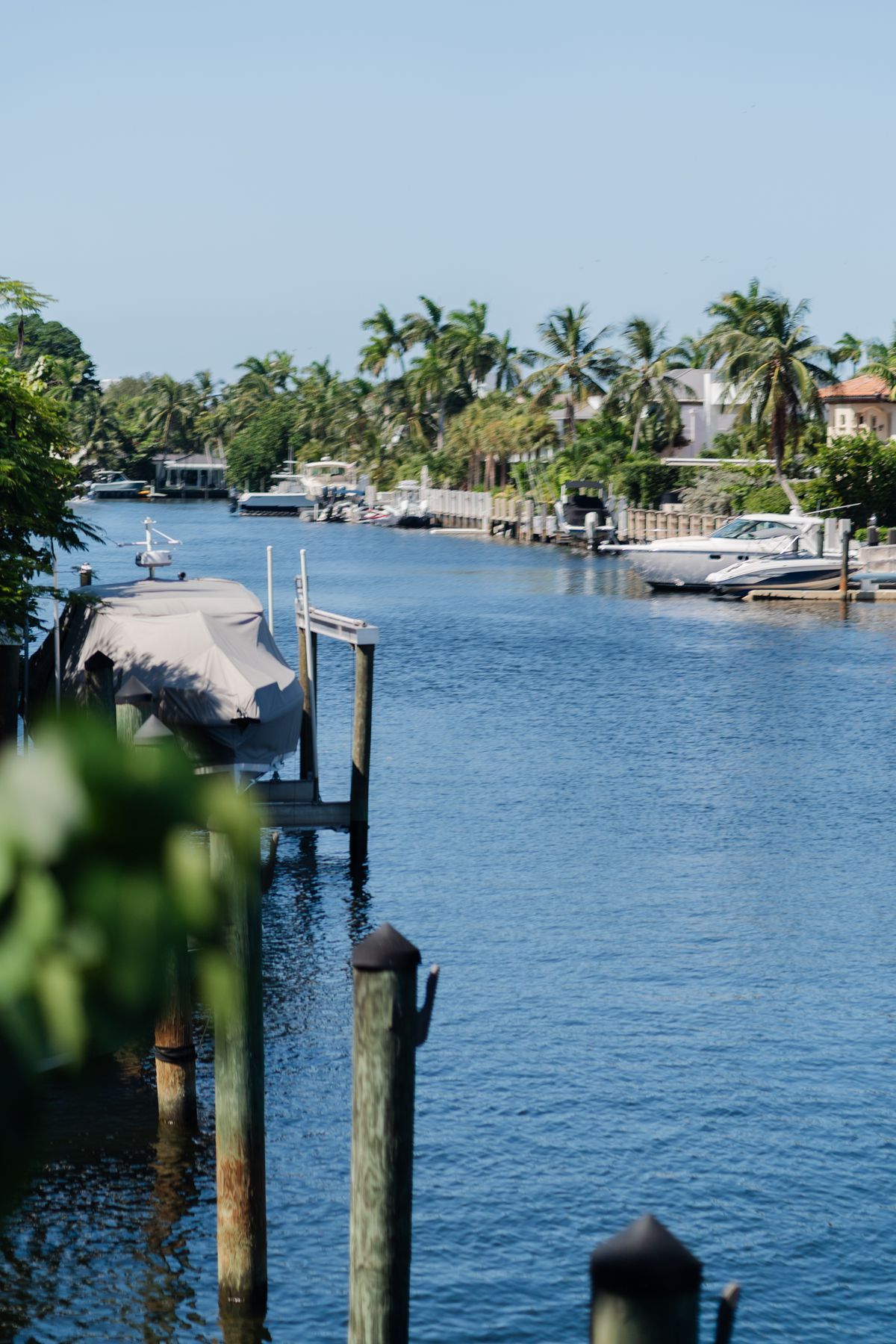
Cape Coral homes get wet in ways that generic restoration pages never mention. Knowing them is how hidden water gets found instead of missed.
Slab floors and tile hide water. Most homes here sit on a concrete slab with tile on top. Water slides under baseboards, wicks into the bottom of the drywall and travels under tile, where you cannot see it. We map it with moisture meters and thermal imaging before deciding what to remove.
Older homes have cast iron drains. Many homes built in the 1970s and 1980s still have their original cast iron drain lines. As they corrode, they leak under tubs and slabs or push sewage back up into showers.
The AC runs almost all year. Condensate drain lines clog and drain pans overflow. Because the air handler usually sits in an interior closet or the attic, the overflow soaks drywall, baseboards and ceilings before anyone notices.
More than 400 miles of canals. Storm surge and very high tides can push canal water into garages and living areas. That water is contaminated and needs flood cuts and sanitizing, not just drying.
Heat and humidity work against you. Wet materials stay wet longer in humid air, so drying needs dehumidifiers, not just fans.
Seasonal homes sit empty for months. While owners are up north, a small supply line or water heater leak can run for weeks. We can coordinate access with your home watch company or a neighbor and send you photos of everything.
Storm seasons overlap. The rainy season runs roughly June to September and hurricane season from June 1 to November 30, so wind-driven rain under sliding doors and through roofs is a summer-long risk.
The Most Common Leaks in Cape Coral Homes
Most water damage in Cape Coral homes starts with one of these:
- AC leaks and air handler overflows soaking closets and ceilings
- Slab leaks, with water or a warm spot coming up through tile
- Cast iron pipe leaks and backups in older homes
- Canal flooding and storm surge in waterfront homes
- Sliding door and lanai leaks in wind-driven rain
- Condo leaks from the unit above
- Washing machine floods in laundry rooms and garages
- Water heater leaks and burst tanks
- Kitchen leaks and wet cabinets from dishwashers, sinks and fridge lines
- Water trapped under tile floors
- Snowbird and seasonal homes with leaks found after months away
- Hidden leaks you can smell or suspect but cannot see
How a Water Damage Job Works, Step by Step
Every job follows the same order, so you always know what comes next.
| Step | What happens | Typical timing |
|---|---|---|
| 1. Your call | We ask what happened, where the water came from and which rooms are wet, then give you an arrival time. | First few minutes |
| 2. Inspect and stop the source | We confirm the water is off and map wet areas with moisture meters and thermal imaging. If you need a plumber or roofer, we tell you. | First visit |
| 3. Remove the water | Standing water comes out of tile, carpet, cabinets and closets with extraction equipment. | First visit |
| 4. Remove what cannot be saved | Wet carpet pad, swollen baseboards and drywall below the water line come out when drying cannot save them, mainly with grey or black water. | Day 1 to 2 |
| 5. Dry and monitor | Dehumidifiers and air movers run while we take moisture readings every day until materials reach dry levels. | Usually 3 to 5 days |
| 6. Clean, document and repair | Affected areas are cleaned and sanitized, you get photos and moisture records for your insurer, and repairs are lined up. | After drying |
Clean, Grey or Black Water? Why It Changes the Cleanup
The type of water decides what can be dried in place and what has to go.
| Category | Common sources in Cape Coral homes | What it means for your home |
|---|---|---|
| Category 1: clean | Burst supply line, water heater, fridge or ice maker line | Often dried in place if work starts quickly |
| Category 2: grey | Washing machine, dishwasher, AC condensate overflow | Needs cleaning and antimicrobial treatment; carpet pad is usually removed |
| Category 3: black | Sewage backup, toilet overflow with waste, storm surge, canal flooding | Porous materials removed, protective gear used, people and pets kept out |
Clean water does not stay clean. Left sitting for a day or two, it picks up bacteria and can become grey water, which means more removal and a higher cost.
Why the First 24 to 48 Hours Matter

The U.S. Environmental Protection Agency advises drying water-damaged materials within 24 to 48 hours to help prevent mold growth (EPA guidance). Cape Coral's heat and humidity make that window matter even more. Fast water removal and steady dehumidification are what keep a one-room leak from becoming a mold problem. If mold has already grown, Florida has specific rules for who can remove it, and we connect you with a qualified mold remediation professional.
What Does Water Damage Cleanup Usually Cost?
Most water damage restoration jobs in the US cost about $1,300 to $6,000, with an average near $3,800. Your price depends on the water category, how many square feet are wet, the type of flooring and how long the water sat before drying started.
| Water category | Typical cost per square foot (national) |
|---|---|
| Category 1: clean | About $3 to $4 |
| Category 2: grey | About $4 to $6.50 |
| Category 3: black | About $7 to $7.50 or more |
These are national ranges, not quotes. After we see the damage, you get a written estimate before any work beyond emergency water removal. For room-by-room examples, see our water damage restoration cost guide.
Will Homeowners Insurance Pay for It?
It depends on what caused the water and what your policy says.
- Usually covered: sudden and accidental damage, such as a burst pipe, a failed supply line or an appliance that suddenly leaks.
- Often not covered: slow leaks that went on for weeks, wear and tear, and damage from skipped maintenance.
- Needs flood insurance: rising water from storm surge, canals or heavy rain coming in from outside is covered by a separate flood policy, not by standard homeowners insurance.
- Check your limits: many Florida policies cap water damage payouts or set rules on which contractor you use. Read your policy or ask your agent before you sign anything.
We photograph the damage, record moisture readings every day and write a clear scope of work your adjuster can review. You stay in control of your claim. This is general information, not insurance advice.
Areas We Serve for Water Damage Restoration in Cape Coral
We work in every part of Cape Coral and in nearby towns. Each area has its own common problems:
- Southeast Cape Coral and Yacht Club (33904): the city's oldest streets, where original cast iron drains and older roofs are common.
- Southwest Cape Coral, Cape Harbour, Tarpon Point and Pelican (33914, 33991): Gulf-access canals, waterfront homes and condos, and sliding door and lanai leaks in summer storms.
- Northeast Cape Coral (33909): a mix of older and newer homes, where water heater, washer and AC leaks are typical.
- Northwest Cape Coral and Burnt Store (33993): fast-growing new construction, where vinyl plank floors and plastic supply lines are common.
- Central and west Cape Coral, Hancock, Trafalgar and Mariner (33990, 33991, 33993): mid-era homes with mixed cast iron and PVC plumbing, and condos along Del Prado Boulevard.
- Nearby: North Fort Myers, Fort Myers, Pine Island and Matlacha.
Not sure if we reach you? See all areas we serve or call (239) 356-5803.
Water Damage Questions Cape Coral Homeowners Ask
Who do I call for water damage in Cape Coral?
Call a water damage restoration company first, at (239) 356-5803, to remove the water and start drying. If a pipe, water heater or roof caused it, you will also need a plumber or roofer for that repair, and we tell you which one on the first visit.
Is there a water damage company open now?
Yes. Our phone is answered 24/7, including nights, weekends and holidays, because leaks do not wait for business hours.
How fast can someone come out for water damage?
We give you an arrival time on the call, based on where you are and how many emergencies are open. During major storms, demand jumps across Lee County, so call early and tell us if sewage or electrical hazards are involved.
What does a water damage company do?
We stop the damage from spreading: remove standing water, find hidden moisture with meters and thermal imaging, take out materials that cannot be saved, dry the structure with dehumidifiers and air movers, clean and sanitize, and document everything for your insurance company.
How long until my house is dry?
Most rooms dry in about 3 to 5 days with professional equipment. Concrete slabs, tile, cabinets and Category 3 losses can take longer. We take readings every day and tell you when you are close.
Do I need to move out while you work?
For most clean-water leaks, no. The equipment is loud but safe to live with. For sewage, large floods or mold, staying elsewhere for a few days is safer, and some policies help pay for it, so ask your insurer.
Do you work with my insurance company?
We document the damage the way adjusters expect: photos, daily moisture readings and a clear scope of work. You stay in charge of your claim and decide what to sign.
Do you handle condos, rentals and businesses?
Yes. We dry condos damaged by the unit above, rental and vacation homes, and commercial properties including offices, shops and HOA buildings.
Water Damage Doesn't Wait. Neither Do We.
Every hour water sits, it spreads further under tile and deeper into drywall. Call Cape Coral Water Damage Restoration at (239) 356-5803 for water removal, drying and cleanup anywhere in Cape Coral, North Fort Myers, Fort Myers and Pine Island.
Serving Cape Coral, FL zip codes 33904, 33909, 33914, 33990, 33991 and 33993.