

What Is Structural Drying?
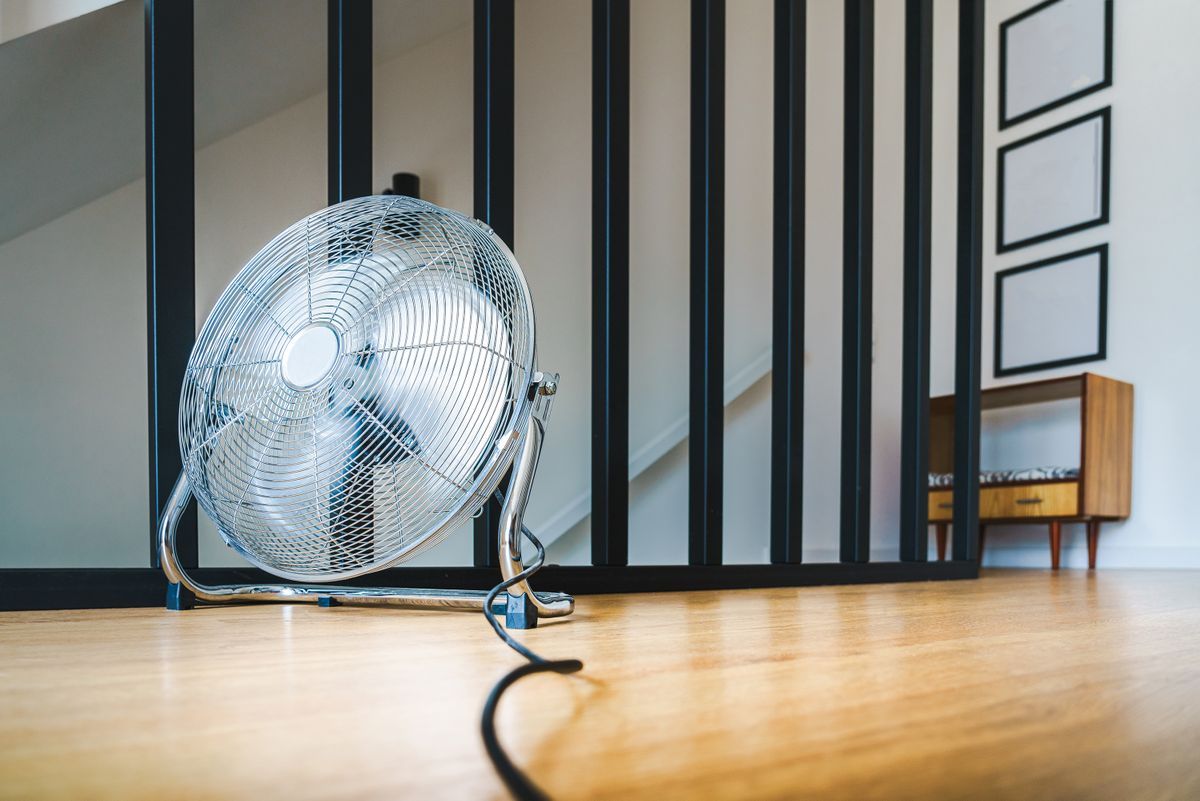
Structural drying means drying the building itself: the drywall, wood framing, concrete slab, block walls, subfloor and cabinets, not just the surfaces you can see. It works in two moves. Air movers pull moisture out of wet materials and into the air, and dehumidifiers pull that moisture out of the air and send it down a drain. Run together, with the house closed up, they dry materials that would otherwise stay wet inside for weeks.
How Pros Dry Out a House After Water Damage
- Remove the water first. Standing water and soaked carpet pad come out before drying begins. See water removal.
- Open up hidden spaces. Baseboards and cabinet toe kicks come off so air can reach the bottom of the walls and the space under cabinets. Small openings behind the baseboard let air into the wall cavity without cutting out drywall.
- Place air movers along the wet walls to move air across every wet surface.
- Run low-grain refrigerant (LGR) dehumidifiers, which keep pulling water out of humid air where household units stall.
- Close the house. Windows and doors stay shut so humid outdoor air does not undo the drying.
- Measure every day and move or remove equipment as each area dries.
Why Drying Is Harder in Cape Coral
Drying a home in Southwest Florida is a fight against the air outside. Open a window in summer and you let in more moisture than you take out, so drying here depends on keeping the house closed and dehumidifiers running. Cape Coral construction adds its own challenges:
- Concrete slabs soak up water and release it slowly, especially under tile.
- Tile and grout slow evaporation from the slab underneath.
- Concrete block exterior walls hold moisture behind drywall and furring strips.
- Interior AC and laundry closets have little airflow, so their walls stay wet longest.
- Seasonal homes often sit with the AC set high or off, so humidity is already high before the leak.
What We Dry and How
| Material | How it holds water | How we dry it |
|---|---|---|
| Drywall | Wicks water up from the floor, often 1 to 2 feet | Baseboards off, air directed into the wall cavity, readings at several heights |
| Tile over slab | Water sits under tile and in the slab | Dehumidification and airflow across the floor; see water under tile floors |
| Concrete block walls | Holds moisture behind drywall | Longer drying with readings on both the block and the drywall |
| Kitchen and bath cabinets | Water trapped under the cabinet floor | Toe kicks removed, air forced underneath; see kitchen leaks and wet cabinets |
| Carpet | Pad holds most of the water | Wet pad removed; carpet dried in place when possible |
| Attic insulation | Compresses and stays wet | Usually removed and replaced once the ceiling below is dry |
How Do You Know When Walls Are Fully Dry?
A wall can feel dry on the surface and still be wet inside. We do not guess; we measure:
- Dry reference: we take readings on the same material in a room the water never reached. That is the target.
- Moisture meters on drywall, framing, cabinets and slab, at several heights and spots along every wet wall.
- Air readings of temperature and humidity inside and outside the drying area, to confirm the equipment is pulling water out.
- A daily log of every reading, which shows the numbers dropping toward the dry reference.
A wall is dry when its readings match the dry reference, not when it looks dry. That log is also what your insurance adjuster needs to see.
What Happens Each Day During Drying
| Day | What we do |
|---|---|
| Day 1 | Equipment set up, first readings logged, wet materials that cannot dry are removed |
| Days 2 to 4 | Readings taken daily, equipment moved toward the wettest areas, dry areas released |
| Final day | Every reading matches the dry reference, equipment comes out, records go to you and your insurer |
Most rooms dry in about 3 to 5 days. Slabs, block walls, cabinets and contaminated water can add time.
Living With Drying Equipment: What to Expect
- It is loud. Air movers run day and night; sleeping in a different room helps.
- Keep windows and doors closed. In Cape Coral, outside air is usually more humid than the air inside.
- Leave the equipment on. Turning it off at night can add days to the job.
- Your AC helps once it is working normally; we may ask you to set a specific temperature.
- Expect a higher electric bill while equipment runs; keep a note of the dates for your claim.
- Keep pets away from cords and airflow.
What Drying Costs
Drying is usually billed by the equipment used and the days it runs, as part of the whole water damage job. Nationally, most water damage restoration jobs cost about $1,300 to $6,000, and starting the drying the same day is the best way to keep a job at the low end. You get a written estimate before work beyond emergency water removal. See what drying jobs typically cost in Cape Coral.
Drying and Your Insurance Claim
Adjusters want proof that every wet room needed drying and that drying stopped when it was done. The daily moisture log, photos and equipment records show both. We provide all three. See how drying records support your claim. This is general information, not insurance advice.
Water Damage Drying Questions
What is structural drying?
Drying the building itself, including drywall, framing, slab and cabinets, using air movers and dehumidifiers with daily moisture readings, not just drying the surfaces you can see.
How do pros dry out a house after water damage?
They remove the water, open baseboards and toe kicks, run air movers and LGR dehumidifiers with the house closed, and measure every day until materials match a dry reference.
How do you know when walls are fully dry?
When moisture meter readings on the wall match readings on the same material in an area the water never reached. Looking or touching is not enough.
Should I open windows to help the house dry?
Not in Cape Coral. Outside air here is usually humid, so open windows slow the drying. Keep the house closed and the equipment running.
Can I turn the equipment off at night?
Please do not. Drying works around the clock, and switching it off can add days and raise mold risk.
Still Wet After a Leak?
Call (239) 356-5803. We answer 24/7 for water damage drying across Cape Coral, plus North Fort Myers and Fort Myers. Measured drying is the backbone of every water damage job we take on in Cape Coral.