

Water All Over the Floor? What to Do Before We Arrive
You have a few minutes before the crew gets there. Use them for these, in this order (our full house flooding checklist has more detail):
- Find the source and shut it off. Close the valve behind the toilet, under the sink or on the washer hoses. If you cannot find it, turn off the main water valve at the meter box or where the line enters the garage.
- Kill power to wet rooms if you can do it from dry ground. Never step into standing water to reach the breaker panel.
- Get things off the floor. Lift rugs, shoes, boxes, electronics and anything made of paper or cardboard. Put aluminum foil or plastic lids under furniture legs so stains do not transfer to wet floors.
- Open closet and cabinet doors in the wet area so trapped water can be reached and seen.
- Take photos and video of the water and the source before anything is moved further. Your insurer will want them.
Do not use a regular household vacuum on water. It can shock you and it will ruin the vacuum.
How Fast Can Water Be Removed From a House?
In most Cape Coral homes, extracting the standing water from one to three rooms takes a few hours once the crew is on site. What slows it down is not the water you can see but the water you cannot: water under tile, soaked into carpet pad, trapped behind baseboards and wicking up the bottom of the drywall. That hidden water is why we measure every wet room with moisture meters and a thermal camera before we call extraction finished.
Speed matters for a simple reason. The U.S. Environmental Protection Agency advises drying water-damaged materials within 24 to 48 hours to help prevent mold growth (EPA guidance). In Cape Coral's heat and humidity, getting the water out the same day is what keeps that window open.
Common Water Removal Situations in Cape Coral Homes
Most Cape Coral homes are single-story, concrete block on a slab, with tile in the main rooms and laundry in the garage or a hall closet. That layout shapes where water goes:
- Washer hose bursts in the garage. Water runs across the garage slab, under the door threshold and onto the tile in the hallway or laundry area. The garage dries quickly; the drywall and baseboards on the house side of that door usually do not. See washing machine flood cleanup.
- Supply line lets go in the master bath at night. By morning, water has crossed the tile into the bedroom carpet and the walk-in closet. Carpet pad holds water like a sponge, so it is pulled and the carpet is often saved.
- Water heater gives out in an interior closet. A 40 or 50 gallon tank empties into the closet and the rooms on both sides of it, soaking the bottom of the shared walls. See water heater leak cleanup.
- Summer storm pushes rain under the sliding door. Water spreads across the living room tile toward the kitchen. The water is clean, but it moves under baseboards fast.
- A snowbird comes back to a wet house. A slow leak has run for weeks, so water removal is quick but drying and material removal take longer.
How We Remove Water From Each Part of Your Home
| Where the water is | Where it hides | How we get it out |
|---|---|---|
| Tile over concrete slab | Under grout lines and loose tiles, under baseboards | Floor extraction, then moisture readings across the slab |
| Carpet and pad | Pad holds most of the water | Weighted extraction; wet pad removed and replaced |
| Baseboards and drywall | Wicks up 1 to 2 feet inside the wall | Baseboards pulled where needed; wall cavities checked and dried |
| Kitchen and bath cabinets | Under the toe kick and cabinet floor | Toe kick removed to reach and dry the hidden space |
| Vinyl plank and laminate | Trapped between planks and slab | Planks lifted where water is trapped; slab extracted and dried |
| Garage slab | Runs toward the house door | Squeegee and extraction; house-side wall checked |
Our Water Removal Process
| Step | What happens | When |
|---|---|---|
| 1. Safety check | We confirm power is off in wet areas and check whether the water is clean, grey or sewage. | On arrival |
| 2. Confirm the source is stopped | If a plumber, roofer or HVAC tech is needed, we tell you before we start. | On arrival |
| 3. Bulk water out | Pumps and extractors remove standing water from floors, garages and closets. | First hours |
| 4. Detail extraction | Carpet, pad, toe kicks and baseboard lines get a second pass to pull water that bulk removal leaves behind. | First visit |
| 5. Moisture mapping | Meters and thermal imaging show where water has moved inside walls and under floors. | First visit |
| 6. Drying set up | Dehumidifiers and air movers go in before we leave, and structural drying continues with daily readings. | Same visit |
What we bring: truck-mounted and portable extractors, submersible pumps for deep water, extraction wands for carpet and tile, moisture meters, a thermal camera, dehumidifiers and air movers.
Can You Use a Shop Vac on a Flooded Floor?
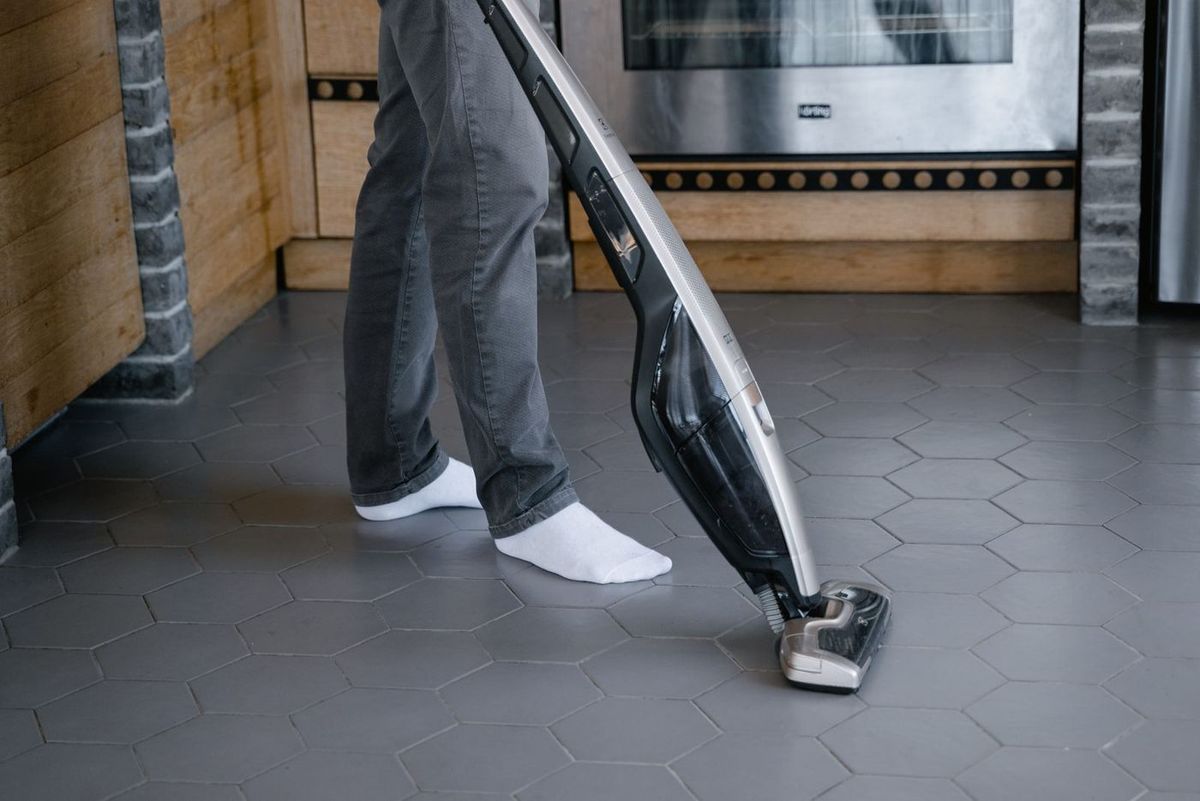
For a small puddle of clean water, yes: a wet/dry shop vac is fine while you wait. Use it only on clean water, only on a floor that is not near live outlets, and empty it often. A shop vac cannot pull water out of carpet pad, from under tile or from inside walls, and it should never be used on sewage, toilet overflow or canal water. That is where professional extraction and moisture readings make the difference between a dry home and a hidden mold problem.
What Does Emergency Water Removal Cost?

Water removal is usually billed as part of the whole drying job, not on its own. Nationally, most water damage restoration jobs cost about $1,300 to $6,000, and clean water typically runs about $3 to $4 per square foot. The biggest cost drivers are how many square feet are wet, whether the water is clean or contaminated, and how long it sat. You get a written estimate before any work beyond emergency water removal. See what water removal usually costs for more detail.
Will Insurance Pay for Water Removal?
When the water came from a sudden event, such as a burst supply line, a failed water heater or an appliance leak, homeowners policies usually cover water removal and drying as part of the claim. Flooding from outside, such as storm surge or rising water, falls under flood insurance instead. We photograph every room, log moisture readings from the first visit and give you a clear scope of work. See how we document water damage for your insurer. This is general information, not insurance advice.
Water Removal Questions
How do I get water out of my house fast?
Stop the source, cut power to wet rooms from dry ground, and call (239) 356-5803 for extraction. Towels and a wet/dry vac help with small clean-water puddles, but carpet pad, tile and walls need professional extraction and drying equipment.
How long does water removal take?
Extracting standing water from one to three rooms usually takes a few hours on site. Drying the structure afterward usually takes about 3 to 5 days, with readings every day.
Do you remove water from garages, lanais and closets?
Yes. Garages, lanais, laundry closets and AC closets are some of the most common places water collects in Cape Coral homes, and we check the walls on the house side of each.
Will my tile floor need to come up?
Usually not. Tile over a concrete slab can often be dried in place. We only remove tile when water is trapped and tiles have lifted or the water was contaminated.
What happens after the water is removed?
Dehumidifiers and air movers run while we take moisture readings every day until walls, floors and cabinets reach dry levels. Then we clean, document and line up any repairs.
Is it safe to stay home during water removal?
For clean water, yes. The equipment is loud but safe. For sewage or storm water, keep children and pets away from the affected rooms until cleanup is done.
Need Water Removed Now?
Call (239) 356-5803. We answer 24/7 for water removal anywhere in Cape Coral, from the Yacht Club area to Burnt Store Road, plus North Fort Myers and Fort Myers. Water removal is the first step of our complete water damage service for Cape Coral homes.