

Before You Go Back Into a Flooded House
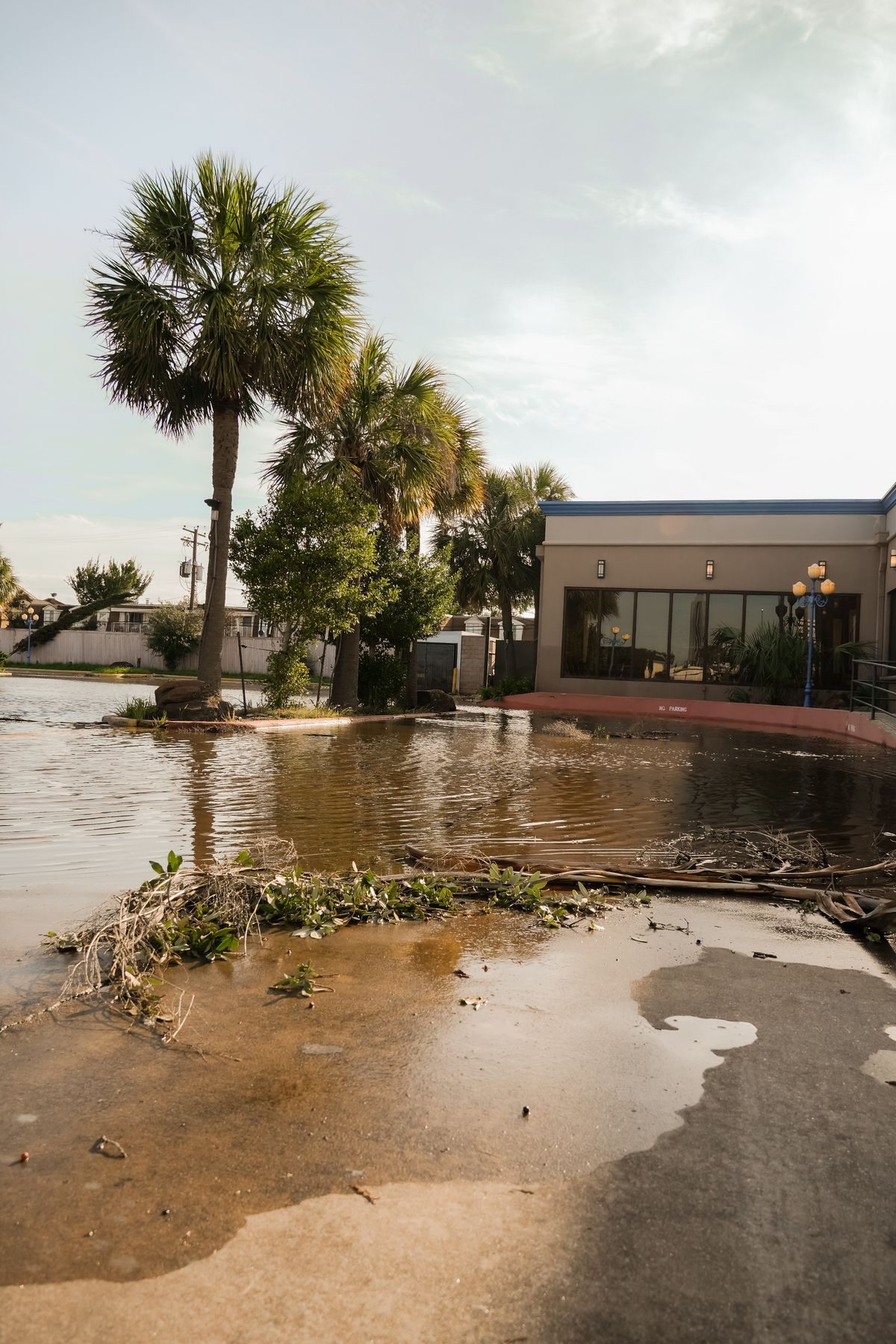
- Wait until officials say your area is safe after a hurricane or major storm.
- Do not enter if water is touching outlets or the power may be on. Have the utility or an electrician cut power first.
- Leave right away if you smell gas, and call the gas company from outside.
- Wear rubber boots and gloves. Flood water hides sharp debris, and snakes and other wildlife can shelter in flooded homes in Southwest Florida.
- Photograph and video every room before anything is moved or thrown away. Keep a small cut sample of carpet and pad for the adjuster.
- Report the claim right away to your flood insurer (NFIP or private) and your homeowners insurer.
Why Cape Coral Homes Flood
- Storm surge and high tides. With more than 400 miles of canals, many lots sit only a few feet above the water. Surge and king tides push canal water over seawalls, into garages and under doors. See canal flooding and storm surge cleanup.
- Wind-driven rain. Hurricanes and summer storms drive rain under sliding doors and through lanai thresholds. See sliding door and lanai leaks.
- Rain overwhelming drainage. Heavy downpours can fill swales and streets faster than they drain, sending water toward low garages and front doors.
- Roof damage during storms. Lifted tiles and shingles let rain into attics and ceilings. See roof leak water damage.
Hurricane Ian in September 2022 showed how far surge can reach into Cape Coral neighborhoods, which is why flood cleanup plans here assume canal water, not just rain.
Is Flood Water Dangerous to Clean?
Yes. Flood water and storm surge are Category 3 water: they can carry sewage, salt, fuel, lawn chemicals and debris. Anything porous that it soaked, such as carpet, pad, drywall, insulation and particleboard, cannot be reliably disinfected and has to come out. Hard surfaces are cleaned and sanitized. Keep children and pets out until cleanup is done, and avoid skin contact with the water and mud.
How High Do You Cut Drywall After a Flood?
The usual rule is to cut at least 12 inches above the highest point the water or wicking reached, so no wet or contaminated drywall stays in the wall. Many crews cut at 2 or 4 feet, because drywall comes in 4-foot sheets and a straight line at those heights makes the repair cleaner. We decide the line room by room with moisture meters, then remove wet insulation behind it and dry the framing before anything is closed up.
Can Flooded Furniture and Belongings Be Saved?
| Item | Usually | What to do |
|---|---|---|
| Solid wood or metal furniture | Can be saved | Clean, disinfect and dry slowly out of direct sun |
| Upholstered furniture and mattresses | Thrown away | Too porous to disinfect after flood water |
| Particleboard furniture and cabinets | Often thrown away | Swells and falls apart once soaked |
| Important papers and photos | Sometimes saved | Freeze them until they can be dried properly, as EPA guidance suggests for valuable papers |
| Electronics and appliances | Ask before using | Do not plug in or turn on anything that was under water |
| Clothing and linens | Often saved | Wash hot with detergent if the label allows |
Photograph everything you throw away and list it for your adjuster.
How Flood Cleanup Works
| Step | What happens | When |
|---|---|---|
| 1. Safety check | Power, gas and structural hazards checked before work starts. | On arrival |
| 2. Water and mud out | Pumps and extractors remove standing water; mud and silt are shoveled and squeegeed out. | First day |
| 3. Sort and document | Contents photographed and sorted into save, clean and discard. | First day |
| 4. Flood cuts | Drywall, baseboards and insulation removed above the wet line. | Day 1 to 2 |
| 5. Clean and sanitize | Slab, framing and hard surfaces cleaned and treated. | Day 2 |
| 6. Dry the structure | Dehumidifiers and air movers run, with readings every day until framing and slab reach dry levels. | Usually 3 to 7 days |
| 7. Final readings and records | Dry readings confirmed; photos, readings and scope sent for your claim. | Before rebuild |
After a Hurricane: How Scheduling Works
After a major storm, every restoration company in Lee County gets more calls than crews. We schedule by safety and severity, so homes with standing water, sewage or people still living in wet rooms come first. Call (239) 356-5803 as soon as it is safe, even if you are still away, so your home is on the list and we can start with photos and a plan.
What Flood Cleanup Costs
Flood and surge water are Category 3, which nationally runs about $7 to $7.50 or more per square foot to clean up and dry. Cost depends on the square footage, how high the water rose, how much drywall, flooring and cabinetry has to come out, and how long the house sat wet. You get a written estimate before work beyond emergency water removal. See flood and surge cleanup pricing.
Which Insurance Pays for Flood Cleanup?
Water that came from outside and rose over the ground, such as storm surge, canal overflow or street flooding, is covered by flood insurance (NFIP or a private flood policy), not by standard homeowners insurance. Rain that entered through storm damage to the roof or windows is usually a homeowners claim. Many homes have both claims after a hurricane. We document each source separately with photos and moisture readings so each adjuster sees what applies to their policy. See documenting flood and storm claims. This is general information, not insurance advice.
Flood Cleanup Questions
Is flood water dangerous to clean?
Yes. It is Category 3 water that can carry sewage, chemicals, salt and debris. Wear boots and gloves, keep children and pets out, and leave porous material removal to a crew in protective gear.
How high do I cut drywall after a flood?
At least 12 inches above the highest wet point. Many crews cut at 2 or 4 feet for a cleaner repair. Moisture readings decide the exact line in each room.
Can flooded furniture be saved?
Solid wood and metal pieces usually can be cleaned and dried. Upholstered furniture, mattresses and particleboard usually cannot after flood water.
Which insurance pays for flood cleanup?
Rising water from outside falls under flood insurance. Rain that came in through storm damage to the roof or windows is usually a homeowners claim.
How long does it take to dry a flooded house?
Most flooded homes dry in about 3 to 7 days after flood cuts and cleaning, depending on how high the water rose and how long it sat.
Flooded in Cape Coral?
Call (239) 356-5803. We answer 24/7 for flood and storm cleanup across Cape Coral, from Gulf-access homes in the southwest to new builds off Burnt Store Road, plus North Fort Myers, Fort Myers and Pine Island. Flood cleanup is part of the storm and water damage help we provide across Cape Coral.